10 Things Everybody Hates About Downpipe Repairs
Precautionary Steps to Avoid Downpipe Repairs Downpipes play an important function in directing rainwater away from the foundation of a home, preventing water damage and structural damage. By taking the appropriate precautions to inspect and maintain your downpipes, you will save money on repairs. Downpipes are prone to getting clogged with debris, causing excessive leaks and overflows. Regular cleaning and inspection can prevent clogging and damage. Signs of a Damaged Downpipe Downpipes form the backbone of your roof's drainage system. They redirect water away from shingles and foundations. Downpipes are constantly exposed to the elements. Heavy rains, falling leaves and constant exposure can cause damage to the pipes. One of the most frequent issues that can affect your downpipe is obstruction. Over time organic debris like leaves, twigs, and other organic materials can accumulate, causing a clog. This prevents the water from flowing freely. The downpipe itself could be damaged, causing cracks or holes that allow debris to enter and cause a blockage. The beginning of corrosion is usually the reason for leaks in downpipes, but other factors may also be involved. Downpipes are usually located in challenging-to-reach spots, such as on high roofs or tight corners of walls, which makes them vulnerable to damage from impact. Heavy winds, a ladder that is leaning against the pipe, or children playing with it can cause leaks. It's best to contact a professional immediately you discover an issue with your downpipe. This will minimize the damage, and also prevent it from spreading. Untreated leaks in the downpipe can cause water leaks to spread throughout the home, resulting in expensive repair bills. A blocked downpipe may be indicated by puddles that form around the foundation following rain. This can cause moisture problems and mould growth, as well as structural damage to your property. Downpipes can be shielded from obstructions by installing gutter guards they are available in a broad selection of styles that will fit your home. It is also important to keep an adequate distance from your downpipes in order to avoid overhanging trees that can clog the pipes and cause them to be affected by roots. Regularly cleaning your downpipe and its guttering is important, especially in autumn when twigs, leaves, and other debris could block them faster. Using a ladder to reach these hard-to-reach spots could be dangerous so it's recommended to contact an expert. It is also recommended to replace your downpipes before damage gets worse. Repairing a Leaking Downpipe The drainpipes and gutters on your home are designed to divert rainwater from the walls and foundations. This can cause damp problems in your home if they are damaged. This is often difficult to detect and is often misdiagnosed as rising damp, which results in costly injection damp treatments. If your downpipe leaks, you can fix it using DIY kits. Utilizing a pipe repair clamp or rubber patch, or even silicone sealant can be used to temporarily stop the leak and prevent further damage. Before you begin, make sure the pipe is completely dry and clean the area around the leak to get rid of any debris or dirt which could hinder the repair. It is also important to make sure that any power is off to the area, and verifying that it's safe with a noncontact electrical tester. A damaged or blocked part of pipe is often the cause of a leaky downpipe. It is essential to inspect and clean your guttering and downpipe regularly to stop them from developing in the first place. Cleaning your downpipes can also prevent water from being forced through gaps, cracks, and holes in your guttering system. Visit our blog 'How to clean your Guttering & Downpipes blog' for more information about how to efficiently and safely clear and cleanse your guttering system. A leaky or damaged downpipe can cause mould and damp issues within your house. If this is not corrected it can also affect the structure of your home and may eventually lead to structural damage. It is possible to replace your downpipe if it's damaged. A professional gutter and downpipe installer can offer you the most appropriate advice regarding replacement materials for your home, ensuring a long-lasting and weatherproof solution. 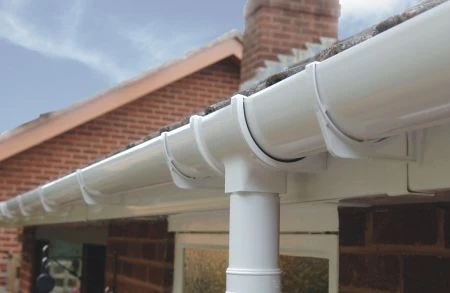 Unblocking a blocked Downpipe A downpipe performs what its name implies – it directs the rainwater away from your roof and out to street, avoiding flooding. However, it can become blocked by debris that block the flow of rainwater. This isn't just an inconvenience but could cause structural damage to your home and health issues for you and your family. describes it clogged drains are usually the result of overflowing gutters and the accumulation of debris. It's better to act and prevent this from happening rather than let it worsen and cause costly repairs and water damage in the future. It is possible to solve an obstruction in the downpipe without need for professional assistance employing a few DIY methods. Put on some rubber gloves to look over the downpipe. If you are able to identify what is blocking the downpipe, you are able to carefully remove it with a piece of wire. If there is a impervious blockage higher up the pipe, a drain rod or plumbing snake could be placed into the downpipe in order to dislodge it manually. If you don't have the drain rod or plumbing snake handy, a garden hose fitted with a high-pressure nozzle can be used to flush out the downpipe. To avoid damaging pipes, start with a gentle pressure and increase it gradually. You can also try slapping the clogged pipe with your fist, or a light rubber mallet. This will break the debris that has accumulated inside. Another method that works is to pour a mixture of baking soda and vinegar down the offending downpipe. The mixture will bubble and then fizz which can help break up greasy buildup. If the downpipe is still blocked by a clogged drain, flushing it with hot water may also help to clear it. A downpipe that is blocked can be a nightmare deal with and it's essential to act swiftly. If you do not have the tools or skills required to clear the downpipe, it's recommended to contact a licenced local plumber for assistance from a professional. They'll have the knowledge and equipment to deal with a downpipe blockage efficiently and safely, thereby saving you time and money in the long run. Replace a blocked Downpipe Blocked downpipes are among the most frequently cited causes of gutter and drainage issues. They can block the flow of rainwater, causing damage to your home and property. Make sure you take action as soon as you observe any of the warning symptoms of a blocked downpipe. It is easy to identify a blockage if you see water spilling out of your downpipes or gutters. You might be able to hear a gurgling sound as the water attempts to flow through, or smell a bad smell emanating from your downpipes. If you're worried, call an experienced plumber for drain cleaning and repairs to your downpipe. If the problem isn't too severe, you can fix it yourself using a few easy DIY steps. Begin by putting on hand gloves and doing an examination of your downpipes and gutters. If you are able to clearly identify the root of the problem take off the downpipe clips. Take out any pieces of pipe you need to until you find it. If the blockage is deeper within the downpipe, you can use flexible drain clearing rods to try to dislodge it. Once the blockage is cleared, you can re-attach any downpipe sections, and then fix the wall clips. Pouring a large stream of water down the pipe will help to flush out any debris that has been stuck. You can tap the downpipe several times along its length and then listen for a different sound – this indicates that you are getting closer to the obstruction. Regularly cleaning your gutters and downpipes will help to lessen the chance of blocking. Be sure that leaves and twigs aren't blocking the opening and trim branches that hang over the edge, which could cause problems. Consider switching to larger diameter pipes that can transport more rainwater and are less likely to be clogged with debris. A blocked drainpipe can cause you a lot of trouble and damage to your house. If you don't feel at ease working in heights, or the issue is too severe for DIY methods, it's always best to contact an experienced plumber.